
Secondary asbestos exposure lawsuit: family member claims
Through a secondary asbestos exposure lawsuit, relatives can seek compensation if they fall ill from asbestos dust carried home on work clothes. Spouses, children, and others in the home may file claims for lung cancer or mesothelioma, which is a rare cancer caused by asbestos fibers. At the same time, you are able to submit claims to bankruptcy trusts as well.
Ask which trusts take a claim for exposure that came home on work clothes.
Take home asbestos exposure in the family
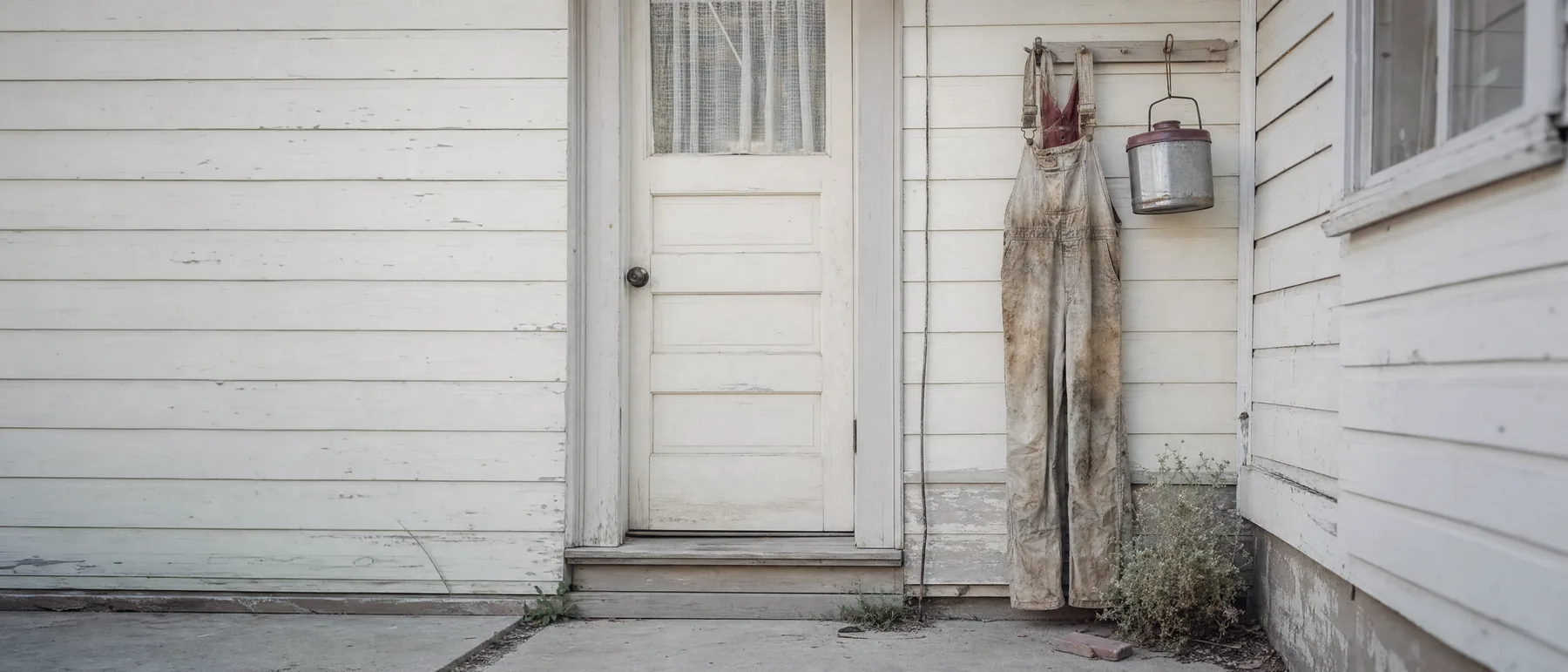
Most people did not realize asbestos was dangerous until the 1970s, and workers often returned home covered in dust. Family members most often inhaled those fibers when washing contaminated work clothes. Homemakers became 10 times more likely to develop mesothelioma by handling laundry and cleaning up dust. About 22% of the women who died from this disease were actually homemakers. Roughly 30% of all mesothelioma cases in the U.S. result from secondhand contact. The share of asbestos claims that involved it climbed past 34% in 2025, compared with 18% during 2016.
After asbestos exposure, when do you get sick?
Diseases usually need 20 to 50 years to develop, although some show up 10 to 50 years after exposure. At first contact, those exposed at home were 23% younger on average than workers exposed on the job. From first contact to diagnosis, their average time was also 8% longer than for workers. Since so many decades pass, finding the exact source of the dust requires careful effort.
Will brief asbestos exposure cause you harm?
No amount of asbestos is safe, and even one exposure can increase your risk of serious disease. However, most household contact involves lower dust levels, making illness from a single secondhand exposure unlikely. Repeated contact within the home is far more dangerous. Some household victims had asbestos levels in their lungs similar to shipyard workers. If you lived with an asbestos worker, you can tell your doctor so the exposure appears in your medical record.
Rules for testing asbestos and proving a claim
Begin with a doctor's confirmed diagnosis, supported by medical records and pathology reports (tissue lab results). The California Supreme Court decided unanimously in 2016 that firms are legally responsible if take-home asbestos makes household members sick. Generally, here is what you need to show to win a claim:
- How secondhand asbestos exposure happened to you at home.
- How that household dust connects to your medical diagnosis.
- Which companies sold, made, or used the asbestos products.
What asbestos exposure claims pay on average
Overall, mesothelioma settlements average $1 million to $1.4 million; these are payment agreements reached before a trial ends. For secondhand exposure lawsuits, average settlements range from $1 million to $2 million, and most settle within 1 to 2 years.
About $30 billion from bankrupt manufacturers is held in asbestos trust funds where families can also file. Every trust calculates payment by multiplying the scheduled disease value by its current payment percentage. Among 54 active trusts, 48 list a current payment percentage, with rates ranging from 0.7% to 100%.
Deadlines by state for family member claims
If a patient is alive, they file a personal injury claim, a legal action for their own illness. To cover funeral costs and lost companionship, surviving relatives may file a wrongful death claim after a loved one dies. Depending on the state, you have between 1 and 6 years after diagnosis to file an injury claim. Missing the state's deadline can end your right to sue. Contact the claims team to find out which deadline fits your case.
| State | Personal injury deadline from diagnosis | Wrongful death deadline from death |
|---|---|---|
| California | 1 year | 1 year |
| Florida | 4 years (2 for negligence-only claims) | 2 years |
| Illinois | 2 years | 2 years |
| New York | 3 years | 2 years |
| Ohio | 2 years | 2 years |
| Pennsylvania | 2 years | 2 years |
| Texas | 2 years | 2 years |